Monday, November 23, 2020

Best Gift Ideas for the Health Enthusiasts in Your Life

Best Gift Ideas for the Health Enthusiasts in Your Life


The season of gift-giving is fast approaching. You probably already have a rough sketch of what you’re going to be getting your loved ones, and have categories for each of them. The health-conscious loved ones can be difficult to pick gifts for, as they can have plenty of concerns on how healthy their diet and lifestyles are. But here are some gift ideas you can use as a guide on what to get to help them achieve their health goals.


  • To help keep them moving
  • A yoga mat is a must-have for everyone who’s into health and fitness. You can use it for yoga, and any other floor exercises, and you can use it for meditation. Although it depends on the quality of the mat, it’s usually suggested to replace a yoga mat after a year of use. It puts up with a lot of sweat and friction, and in the long-run the material can no longer be enough to cushion your body and support your joints. So even if that loved one already has one, another yoga mat in handy would definitely be a welcome one especially if it comes in a color and design that you know they’d like!


  • So they stay hydrated
  • It’s important to stay hydrated especially if you’re active, which the health-conscious person in your life for sure is in this state constantly. A tumbler keeps water handy to help replenish lost fluid after that intense weightlifting or pilates session. A tumbler can also help remind you to drink up more water by having one filled by your work station. You can even put in a few citrus slices with your water, to make it not just a refreshing drink, but a healthy one as well. Tumblers come in different forms, sizes and materials, plastic, glass, stainless steel-- choose what you think is the best according to that loved one’s preferences. 


  • So they can keep track of their health
  • Wearables are very helpful for individuals who are always on-the-go. They are especially useful for health enthusiasts for their functions on monitoring heart rate, blood pressure, sleep tracking, and plenty other features depending on the model you get. Apple, Samsung, Garmin and Fitbit are some of the more popular brands of smart watches. You don’t have to get the most expensive one, as even the affordable options already come with the most important features like heart rate monitoring. Another option are smart rings, Motive and Oura are some of the more popular options. 


  • To help process their thoughts
  • A journal is a simple but great gift idea. Wellness shouldn't just involve the physical body. Wellness is important both inside and out. Writing stuff down can be therapeutic for most people. It can help with structuring thoughts and expressing emotions, which can otherwise be hard to express. It can also help relieve anxiety by writing down what needs to be done so they don’t clutter your thoughts. And it can provide a sense of affirmation by helping you remind yourself of what you have accomplished for the day. You can get a journal with your loved one’s name embossed on the cover to make them feel even more special.


  • So they can pamper themselves
  • Who doesn’t want to have a nice relaxing bath after a long day? As mentioned on item 4, health and wellness is not just from the outside. It’s important to take care of mental health as well, as you can’t truly have overall wellness without a healthy frame of mind. So pampering yourself from time to time is a good way to relieve stress and keep positive thoughts. Bath bombs are wonderful gift ideas to help them have a more enjoyable bath time. Epsom salt is another great option. It contains magnesium that helps relax muscles and loosen stiff joints, which is definitely something you could use after a long day. 

  • To help them relax  
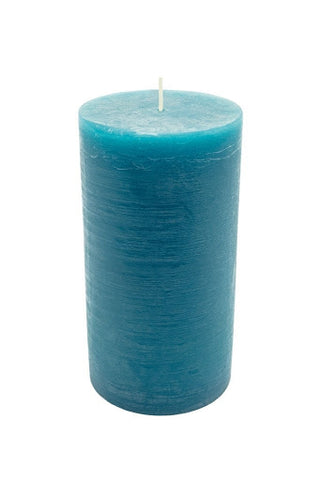
  • Aromatherapy is a proven and effective method that uses aroma to improve the health of the body, mind and spirit. Scented candles can help you do the same at the comfort of your own home. LIghting a scented candle and inhaling the scent of lavender, cinnamon, vanilla or whichever scent of choice you have can definitely help improve your mood. Make sure you know beforehand what scents someone you’re gifting the candle to prefers. This is important as you might end up picking a scent that they don’t like, which would make lighting one a not-so relaxing experience. Essential oils and diffusers are good options too, plus you can also get the benefit of the essential oil by having them in the air. 

  • So they can consume more fruits and veggies 
  • Smoothies, shakes, peanut butter-- there’s a lot that a blender can do, especially a powerful one. Someone who’s health-conscious would definitely find good use for a good-quality blender. There’s an endless variety of home-made products that can be made with a blender. Just know it will be put to good use in the hands of someone who cares about their health and what they put in their bodies. A juicer is another good option so they can make their own freshly-squeezed and freshly-bottled juices from their favorite fruits or veggies.  

  • So they can have healthier drink options  
  • You can’t go wrong with a wonderful selection of either coffee or tea, depending on the drink preference of someone you’re gifting it to. Both coffee and tea have caffeine although it's significantly less on the latter, this means that both are good at boosting your energy levels when you’re low on sleep or when you need more power like before a workout or some other activity. There are a variety of tea as well that can have different benefits, green tea is known to aid in digestion, chamomile is calming and contains antioxidants, and ginger can help with colds and sore throats. You can choose the organic and non-gmo coffee and tea options, which would definitely be a plus for that health-conscious loved one. 


  • So they can have healthier snacking options   
  • Snacking is one of life’s little pleasures. And it shouldn’t be an exception to people who care about their health. There are plenty of healthier snack options available than what’s on the usual grocery aisle that you can pick for a loved one who’s health-conscious. Nuts, plantain, seaweed, dried fruit, keep it varied, but make sure that they don’t have any allergies on the items that you pick. To make them feel extra special, you can even bake something for them. Oatmeal cookies stored in a cute glass jar or banana bread plus home-made peanut butter, the options are endless but you should know what they would like best!


  • To help improve their health
  • The right supplements can improve your health by filling in nutritional gaps from the usual diet. If you have knowledge of the person’s health background, supplements can be a good idea as a gift. There are a plethora of different brands of supplements that you can choose from, all offering to be better than the other. What you should focus on however, is making sure that these supplements won’t have any side effects, something you can be sure of if the main ingredients are plant-based which is a guarantee with NutraV. If you’re thinking of gifting supplements to a loved one, now is the perfect time, as there will be a big Black Friday and Cyber Monday sale event launching on 27 Nov and lasting up to 2 Dec. Here are the products that would be on sale, and what they do, so you can get to decide beforehand which one you should get.


    • Plantbiotic. A powerful blend of plant compounds with proven antiviral, antifungal, antibacterial and antiparasitic properties, making it an effective all-natural remedy for various illnesses. 
    • Heart Plus. An all-natural cardiovascular supplement, that’s not just good for your heart but your overall body as well. 
    • Flubiotic. Immune-boosting protocol that helps prevent a flu that’s creeping up on you or treat it if you’ve caught it. 
    • ZHydrate. A nanotechnology rehydration powder, meant to be mixed with water, that gives an instant shot of hydration and immune-boosters.
    • Grass-Fed Seabuck Protein. Whey protein from grass-fed cows mixed with other powerful all-natural ingredients that targets overall health from a cellular level.
    • Seven-Day Travel Pack. Dysentery support developed with travelers in mind to help provide gut and immune support in one handy pack.

    To learn more about the NutraV Black Friday and Cyber Monday sale visit https://www.nutrav.com/pages/black-friday-cyber-monday now!


    source https://www.nutrav.com/blogs/news/best-gift-ideas-for-the-health-enthusiasts-in-your-life

    CBD vs THC

    THC is a psychoactive substance while CBD is not.

    CBD and THC are the main substances extracted from cannabis plants. Although CBD and THC were isolated in 1940, THC, which were believed to be the ‘active’ component, were researched extensively while CBD was neglected. However, as the therapeutic potential of CBD is discovered, more research is underway to take advantage of it. [1]

    Although they are both extracts from cannabis, THC is the only psychoactive substance that causes a ‘high’ sensation. The psychoactivity of THC comes from its ability to bind to cell receptors called CB1 which are mostly present in the central nervous system including the brain. On the other hand, CBD, which has a significantly different 3D structure from THC, has a much lower chance of binding to the CB1 receptor. Therefore, CBD does not induce psychotic events nor many side effects [2].

    Where can CBD be used?

    The well-known mechanism of cannabinoid (all the substances extracted from cannabis) is through cell receptors CB1 and CB2. However, CBD has many ways to interact with the human body other than being a weak agonist to the CB1 receptor. While THC makes people ‘high’, CBD usually has the opposite effects. More research is showing CBD’s therapeutic abilities. CBDs are now shown to be capable of protecting neurons, modulate the immune response, kill or downregulate cancer cells, and treat some psychological disturbances. Below are some of the list of diseases that CBD is currently being researched as a potential treatment. 

    -      Anxiety

      • Problem: One method of treatment for general social anxiety disorder (SAD) is anti-anxiety drugs. Although they are powerful in mitigating the immediate condition, the patients cannot take it for a long time due to tolerance build-up. As a result, only 30% of patients achieve true recovery.
      • Why CBD? Unlike these anti-anxiety drugs, CBD is known to develop no tolerance with extensive use [3],[4]. Many studies show that patients treated with CBD have a significant anxiety score improvement compared to placebo similar to currently used drugs [20].

    -      Schizophrenia 

      • Problem: schizophrenia is a serious mental illness affecting cognitive ability and emotions. Since the pathology of schizophrenia is still not fully understood, the only method of treatment is to manage symptoms through psychosocial treatments and antipsychotic medications. However, these antipsychotic drugs have some long-term side effects; some are motor disturbances, sexual dysfunction, and weight gain.
      • What CBD? CBD was tested against placebo and current antipsychotic medication, amisulpride. In these researches, patients treated with CBD showed similar improvement in schizophrenia scoring as patients treated with amisulpride and significant improvement against placebo. Unlike amisulpride, CBD did not cause any weight gain, motor disturbances, sexual dysfunction, adverse effects on cardiac and hepatic functions [5],[6].

    -      Alzheimer’s Disease

      • Problem: Alzheimer's is a disease associated with neuroinflammation and neural damages. However, CBD is known to have multiple mechanisms for protecting neurons and can modulate immune responses to reduce inflammation. These properties can help patients with Alzheimer’s disease.
      • Why CBD? Current Alzheimer’s disease treatment cannot stop or reverse the damage. However, CBD in the animal model showed a reduction of the inflammatory response in neural cells and even promote the creation of new neurons [7].

    -      Anti-tumor

      • The antitumor ability of different plant-based cannabinoids is being tested. THCs are shown to have some effects but have unwanted psychotic effects. Therefore, more research is being done on CBD’s anti-cancer efficacy. Some of the findings in animal studies with human cancer cells show that CBD can prevent proliferation, metastasis, and cause cancer cell death for some specific types of cancers. Unfortunately, there haven’t been many human clinical trials with CBD.
      • Animal study: In vivo studies show the direct injection of CBD shows a significant reduction of tumor mass and proliferation, and significantly prevent cancer cell metastasis in breast cancer and glioma cancers [8],[9].
      • Clinical study: Significant reduction in tumor mass in human clinical data with 119 various cancer patients. The study was not pre-designed so the efficacy of CBD cannot be proved. However, such a high reduction of cancer mass shows the need for further clinical studies with CBD. [10]

    -      Rheumatoid arthritis

      • Problem: Rheumatoid arthritis can be defined as an autoimmune disease where own immune cells mistakenly attack synovium, a lining surrounding joints. Current medications have side effects ranging from stomach irritation and bone thinning to increased risk of infection.
      • Why CBD? In several rat model research, CBD is shown to decrease the joint damage, and decrease chemical release that would cause inflammation [11][12]. There is no clinical evidence supporting the model, but it is worth a clinical trial in the future. Considering CBD does not have many side effects even with a relatively high dose and extensive use, it can be used to improve the current treatment for arthritis.

    Safety and Addiction

    CBD, unlike THC, is known to have no addictive property. It even has potential as a treatment for addiction to other psychoactive drugs such as opioids [13]. The overdose of CBD is also highly unlikely to happen. Various doses of CBD were clinically tested but there were little to no side effects even to young children [14][15]. For instance, high doses of CBD (up to 1500 mg/day) are well tolerated in animals and humans. Also, it does not change heart rate, blood pressure, or body temperature, does not induce catalepsy and does not alter psychomotor or psychological functions like THC [16]. CBD has varying half-lives depending on administration methods but has a half-life of only a few hours if oral and buccal administration [17],[18]. The short half-life contributes to its safety as well.


    Sources

    1. Roger Adams, Madison Hunt, and J. H. Clark. Structure of Cannabidiol, a Product Isolated from the Marihuana Extract of Minnesota Wild Hemp. I. Journal of the American Chemical Society 1940 62 (1), 196-200
    1. Burstein S. (2015). Cannabidiol (CBD) and its analogs: a review of their effects on inflammation. Bioorganic & medicinal chemistry, 23(7), 1377–1385.
    1. Crippa, J. A. S., Derenusson, G. N., Ferrari, T. B., et al. (2011). Neural basis of anxiolytic effects of cannabidiol (CBD) in generalized social anxiety disorder: a preliminary report. Journal of Psychopharmacology, 25(1), 121–130.
    1. K. Hayakawa, K. Mishima, M. Nozaka, et al. (2007). Repeated treatment with cannabidiol but not D -tetrahydrocannabinol has a neuroprotective effect without the development of tolerance. Neuropharmacology, 52(4), 1079-1087
    1. Mcguire, P., Robson, P., Cubala, W. J., Vasile, D., et al. (2018). Cannabidiol (CBD) as an Adjunctive Therapy in Schizophrenia: A Multicenter Randomized Controlled Trial. American Journal of Psychiatry,175(3), 225-231.
    1. Leweke, F. M., Piomelli, D., Pahlisch, F., Muhl, D., et al. (2012). Cannabidiol enhances anandamide signaling and alleviates psychotic symptoms of schizophrenia. Translational Psychiatry,2(3).
    1. Watt, G., & Karl, T. (2017). In vivo Evidence for Therapeutic Properties of Cannabidiol (CBD) for Alzheimer's Disease. Frontiers in Pharmacology,8:20.
    1. Ligresti, A., Moriello, A. S., Starowicz, K., Matias, I., et al. (2006). Antitumor Activity of Plant Cannabinoids with Emphasis on the Effect of Cannabidiol on Human Breast Carcinoma. Journal of Pharmacology and Experimental Therapeutics,318(3), 1375-1387.
    1. Massi, P., Vaccani, A., Ceruti, S., Colombo, A., Abbracchio, M. P., & Parolaro, D. (2003). Antitumor Effects of Cannabidiol, a Nonpsychoactive Cannabinoid, on Human Glioma Cell Lines. Journal of Pharmacology and Experimental Therapeutics,308(3), 838-845. 
    1. Kenyon, J., Liu, W., & Dalgleish, A. (2018). Report of Objective Clinical Responses of Cancer Patients to Pharmaceutical-grade Synthetic Cannabidiol. Anticancer Research,38(10), 5831-5835.
    1. Hammell, D., Zhang, L., Ma, F., Abshire, S., Mcilwrath, S., Stinchcomb, A., & Westlund, K. (2015). Transdermal cannabidiol reduces inflammation and pain-related behaviours in a rat model of arthritis. European Journal of Pain,20(6), 936-948.
    1. Malfait, A. M., Gallily, R., Sumariwalla, P. F., Malik, A. S., et al. (2000). The nonpsychoactive cannabis constituent cannabidiol is an oral anti-arthritic therapeutic in murine collagen-induced arthritis. Proceedings of the National Academy of Sciences,97(17), 9561-9566.
    1. Hurd, Y.L., Yoon, M., Manini, A.F. et al.(2015). Early Phase in the Development of Cannabidiol as a Treatment for Addiction: Opioid Relapse Takes Initial Center Stage. Neurotherapeutics12, 807–815.
    1. Devinsky, O., Marsh, E., Friedman, D., Thiele, E., Laux, et al. (2016). Cannabidiol in patients with treatment-resistant epilepsy: An open-label interventional trial. The Lancet Neurology,15(3), 270-278 
    1. Bergamaschi, M. M., Queiroz, R. H., Zuardi, A. W., & Crippa, J. A. (2011). Safety and Side Effects of Cannabidiol, a Cannabis sativa Constituent. Current Drug Safety,6(4), 237-249.
    1. Iffland, K., & Grotenhermen, F. (2017). An Update on Safety and Side Effects of Cannabidiol: A Review of Clinical Data and Relevant Animal Studies. Cannabis and Cannabinoid Research,2(1), 139-154.
    1. Atsmon, J., Heffetz, D., Deutsch, L., Deutsch, F., & Sacks, H. (2017). Single-Dose Pharmacokinetics of Oral Cannabidiol Following Administration of PTL101: A New Formulation Based on Gelatin Matrix Pellets Technology. Clinical Pharmacology in Drug Development,7(7), 751-758.
    1. G. W. Guy & P. J. Robson (2004) A Phase I, Open Label, Four-Way Crossover Study to Compare the Pharmacokinetic Profiles of a Single Dose of 20 mg of a Cannabis Based Medicine Extract (CBME) Administered on 3 Different Areas of the Buccal Mucosa and to Investigate the Pharmacokinetics of CBME per Oralin Healthy Male and Female Volunteers (GWPK0112), Journal of Cannabis Therapeutics, 3:4, 79-120, 
    1. Blessing, E.M., Steenkamp, M.M., Manzanares, J. et al.(2015). Cannabidiol as a Potential Treatment for Anxiety Disorders. Neurotherapeutics12, 825–836.
    1. Crippa, J. A., Derenusson, G. N., Ferrari, T. B., Wichert-Ana, L., et al. (2010). Neural basis of anxiolytic effects of cannabidiol (CBD) in generalized social anxiety disorder: A preliminary report. Journal of Psychopharmacology,25(1), 121-130.


    source https://www.nutrav.com/blogs/news/cbd-vs-thc

    Friday, November 20, 2020

    Your Guide To Supplements

    Take a stroll down the supplements aisle and you'll see a whole range of options from vibrant multivitamins to powders that are packed with superfoods. Sure, you want to stay healthy, but how do you choose what to take?

    In this article, we'll tackle supplements, including the different kinds and ways you can use them

    WHAT ARE SUPPLEMENTS?

    "Supplements" is a general term used for a large category of vitamins, minerals and also micro and macronutrients.

    Normally, you get your needed nutrients from food. Supplements help fill in the gaps from your usual diet. What your body needs and your personal health goals should help you decide the right amount of supplements you should take daily.

    You're doing a great job if you're already on a nutrient-dense meal plan that’s rich in whole foods and low in additives and sugar. The right supplements will support your diet and help you with stress and anxiety, easier sleep, and managing your bodyweight.

    WHO NEEDS SUPPLEMENTS AND WHY?

    It's feasible to get all the nutrients you need from a balanced diet plan. Occasionally, it's difficult to eat the right foods at the right proportions to feel your absolute best. Also, the amount of supplementation you need can differ depending on your diet, age, stress and anxiety levels, and other factors.

    Let’s look at a few cases in which supplements can be helpful:

    Aging: Nutrient absorption decreases with age, and the supplements you need now will not be the same as you age. 

    Exercising: Exercise raises your demand for specific nutrients, like protein and joint support.

    Extra stress: Stress can drain particular nutrients, like glutathione - your body's main antioxidant.

    Traveling: Jet lag (and even a change in routine) can conflict with your quality of rest.

    What happens when you're nutrient-deficient? It depends on what nutrient you’re lacking. Vitamin D and magnesium have crucial roles throughout the entire body, and when you are low on these nutrients, they can cause issues. The only way to know where you are deficient is to ask your healthcare provider. Typically, it involves a blood examination.

    Other times, supplements can take you from feeling good to feeling fantastic. Work out supplements are perfect when you exercise. And if you travel extensively, adaptogens or stress-relievers are good options to aid with body sleep.

    Let's take a look at 5 supplement categories and what each of them can do for you.

    5 TYPES OF SUPPLEMENTS

    1. VITAMIN AND MINERAL SUPPLEMENTS

    Nutrient deficiencies can be caused by exercise, diet plans or getting sick. Mineral and vitamin supplements fill the gaps so your body retains optimal performance. For instance, zinc aids immune function, and vitamin B12 supports your brain cells.

    1. ORGANIC SUPPLEMENTS

    Often called botanicals, herbal supplements make use of plant-based components for medicine. Organic supplements can support your health and wellness and fill in nutrient gaps. You could drink lavender tea to promote sleep, or make use of lion's mane capsules for stress and anxiety. Or try superfoods, like sea buckthorn berries which contain over 190 nutrients, including vitamins A, B1, B2, C, D, K, bioflavonoids, omega 3, 6, 7 & 9 (Essential Fatty Acids or EFAs), amino acids, folate (B9 & natural folic acid), antioxidants; it’s supports the whole body, including: cardiovascular health, skin health, gut health, nervous system health, and boosts energy. 

    1. MACRONUTRIENT SUPPLEMENTS

    Macronutrients, also called macros, are the carbohydrates, fat, and protein that make up food and assist with producing energy. Macronutrient supplements are great for people with gastrointestinal problems. They also help individuals taking medications that limit the body's capability to take in nutrients.

    Macro supplements are popular with bodybuilders as well as professional athletes. Intense workouts increase your demand for key macros, like protein and carbohydrates which play a vital function in muscular tissue growth and regeneration. Grass-Fed Seabuck Protein is a whey protein isolate that comes from grass-fed cows, making it very effective in delivering essential amino acids for cell growth and repair. 

    1. 4. STRONGER NUTRIENT SUPPLEMENTS

    These supplements are examples of more powerful multivitamin solutions.

    Prebiotic as well as probiotic fiber: Fiber maintains your body functions and feeds positive bacteria in your digestive tract. You get fiber from foods like leafy green vegetables and grains. Prebiotic supplements as well as probiotics can aid and sustain healthy food digestion.

    Omega-3 fats: The 3 omega fats, EPA, DHA and GLA are important fats for health, brain wellness and heart function. You can obtain Omega-3s in foods like wild-caught fatty fish, sea buckthorn berries and grass-fed butter, as well as in supplements.

    CoQ10 (coenzyme-Q10): This powerful antioxidant energizes your cells and even counteracts destructive free radicals.

    Glucosamine: Found naturally in cartilage, it can also be taken in supplement form for joint support and inflammation management.

    1. ANTIOXIDANTS

    Free radicals come from anxiety, body contaminants, and even everyday life. Antioxidant supplements help fight off the negative effects of free radicals and ensure you're getting the healthy stuff to keep your cells strong.

    COMMON USES FOR DIETARY SUPPLEMENTS

    You can take multivitamins and antioxidants for daily health or for specific goals, like better sleep and boosting body power. Before you try a brand-new supplement, be sure to consult your physician.

    SUPPLEMENTS FOR ANXIETY OR STRESS

    Some people use all-natural treatments to supplement or replace modern medicine. Some often-used supplements for stress and anxiety are:

    • Magnesium
    • 5-HTP
    • Ashwagandha
    • L-theanine
    • GABA (gamma-aminobutyric acid).

    SUPPLEMENTS FOR WEIGHT LOSS.

    Research studies have shown that some supplements for weight control are working. Below are a couple of examples:

    High levels of caffeine: Found in resources like coffee, tea and natural dark chocolate, high levels of caffeine may increase your metabolic rate and shrink your appetite.

    CLA (conjugated linoleic acid): May help in metabolizing fat, sustaining a healthy immune response, and curbing inflammation.

    Green tea in extracted forms: Green tea may increase fat loss and fight body inflammation.

    ANTI-AGING SUPPLEMENTS

    We all age, but supplements can help lessen aging’s negative effects on memory retention and cognitive function.

    High Quality Protein: The most bountiful healthy protein in your body, collagen is the glue that holds your body together. It supports radiant skin, joint flexibility, and strong bones.

    Ginseng: May support memory, boost your mood, and aid with your overall brain health.

    Ginkgo biloba: Supports blood flow and cognitive function.

    SUPPLEMENTS FOR INFLAMMATION

    These supplements combat body inflammation that, if not treated, can lead to cancer, heart disease, and other serious bodily issues.

    • Curcumin
    • Boswellia gum
    • Ginger
    • Stephania root

    SUPPLEMENTS FOR ENERGY

    Life gets pretty crazy, and this means we don’t always get enough sleep, eat a balanced diet plan, or manage our anxieties. Supplements may have grown in popularity due to this, but some supplements can do damage by providing too much sugar and caffeine. But other supplements can still help you feel awake and fully functional without crashing. Here’s how.

    All-natural caffeine resources: Black Coffee and natural tea without any ingredients or additives like milk, sugar, or sweeteners.

    Vitamins B12 and B2: These vitamins aid in energy production throughout the body. Look for Methyl-B12 and B2, which helps battle oxidative stress and anxiety.

    Creatine as well as citrulline: Increases body power and also minimizes exhaustion from an extreme workout.

    SUPPLEMENTS FOR SLEEP

    Quality rest is crucial for your health and wellness. Sometimes life makes it hard to maintain adequate amounts of sleep. Anxiety and travel also don’t help. Sleep helps you maintain your energy and battle anxiety of daily life, and these supplements can help.

    Valerian root: May provide a more peaceful feeling to help you sleep better.

    Melatonin: A hormone found in nature that further aids with sleep.

    Lavender: The fragrance of lavender may improve rest.

    Magnesium: Regulates melatonin or the sleep hormone. 


    Supplements are a good addition to everyone’s wellness plans, no matter the age, health goals, or other factors. The key is in finding the right supplement that works for your particular situation. Have you found the right match for you? Shop now at Nutrav.com.

    source https://www.nutrav.com/blogs/news/your-guide-to-supplements

    Wednesday, November 18, 2020

    How Much Exercise Is Enough?

    Life keeps us all pretty busy. Between work, raising children, caring for our pets, preparing food, keeping up with our homes, shopping, and fitting in fun in our lives, many of us don't have enough time to work out.

    We know exercise is important so we fork out for health club memberships, but then end up frustrated with taking hours out of our days to stay in shape; but, do we really need to invest that much money and time to stay fit? Do you need to spend the high price of a 90-minute boot camp class three times a week? How much exercise is enough to maintain your health and balance, feel great, and live a long and productive life?  

    What if you could do the bare minimum and still enjoy the benefits of exercise?

    This write-up will cover how much time and energy you should devote to exercise for optimal wellness. We will also provide you secret strategies you can do anywhere, regardless of your routine!

    Just How Much Exercise Suffices: The Minimum Effective Dose

    When it pertains to the least amount of exercise required for optimum benefits, the World Health Organization (WHO) has some advice. The organization says those aged 18-64 should do a minimum of 150 minutes of intense aerobic exercise each week or a minimum of 75 minutes of vigorous-intensity aerobic physical movement each week, or a mix of moderate - and also vigorous-intensity activity.

    Translation? All you need is a few short exercises weekly to gain the advantages of cardio exercise. And it will do you a world of good. This exercise will:

    • Lower threats of diabetic issues, a heart condition, and a wide range of cancers
    • Create stronger bones and muscular tissues
    • Improve healthy and more balanced body structure
    • Improve weight monitoring
    • Enhance your mood
    • Lower your risk of clinical depression

    While there are several ways of reaching the optimal length of exercise, we created some plans that take the bare minimum time and equipment and very little money.

    Fitness Plans Requiring Minimal Time and Effort

    Plan 1: Moderate-Intensity, 150 Minutes Per Week

    All you need is 150 mins per week (2 1/2 hours) for a moderate-intensity workout. "Moderate-intensity" is a medium amount of exercise that raises your heart rate. It should feel like a workout, yet you still can carry a conversation.

    Types of exercises:

    •  A brisk walk or hike
    • Relaxed biking
    • Most types of dancing
    • Most types of yoga
    • Recreational sporting activities (golf, kayaking, etc.)
    • Gardening (two benefits in one!)
    • Doing chores around the house

    How to Do It:

    Simply pick your favorite option and do it at a moderate effort for 30 mins, 5x/week, or for 50 mins, 3x/week. This can be as easy as taking your pet for a walk, following a yoga video on YouTube a couple of days a week, or doing backyard jobs or home duties on your days off.

    Upgrade It:

    To make the most of your weight loss or longevity, add in these elements:

    • Work out in the morning sunlight for Vitamin D and to align your circadian rhythm.
    • When fasting, use coffee to initiate fatty acids to encourage fat loss.
    • Work out in the cold, or take a cold shower for more positive results for body tissue and aging.

    Plan 2: Vigorous-Intensity, 75 Minutes Per Week

    If you don't have much time, and you hope to get the greatest results for your time and effort, 75 mins of energetic physical activity per week is all you need. This is the type of workout that requires more intensity to raise breathing and heart rate.

    Types of exercises:

    • Running
    • Walking/hiking inclines
    • Sprinting while jogging, biking, swimming, rowing
    • HIIT: High-intensity interval training
    • Heavy muscle training to build strength
    • Plyometrics

    How to Do It:

    Do a brief 15-minute session, 5x/week, or a 25-minute session, 3x/week. A couple of short bodyweight HIIT workouts, a handful of heavy lifting sessions, or some fast morning runs will do it.  

    Upgrade it:

    Attempt these exercises:

    • Throw in a Tabata (HIIT) set.
    • Do a super-slow set for strength as well as cardiovascular training.
    • Add more resistance with kettlebells or other heavy free weights.

    How Much Exercise Will Do the Trick?

    The above recommendations will help you in accomplishing the optimum wellness benefits, but if you have targeted exercise goals you will need to be more concentrated and dedicated with your training. This means longer and more targeted exercises.

    According to WHO, added health benefits require an increase in the quantity of exercises: 300 mins per week of moderate intensity exercises, 150 mins weekly of vigorous intensity exercises, or an equivalent combination of the two. Furthermore, do muscle-strengthening exercises on specific muscle areas for two or more days a week.

    Surprisingly, the health and wellness benefits of exercise plateau after 450 minutes per week. Unless you are an elite professional athlete or training for competitive reasons, there is no need for more than one hour of exercise a day.

    Conclusion

    To be fit, strong, and healthy, all you need is a will to exercise, and some spare time to keep a consistent workout routine. You can also opt for more movement of your body throughout the week. Instead of taking a car to work, consider biking or walking. You can also do quick workouts during your daily lunch hour. By looking for ways to move your body, the opportunities will present themselves. 


    To keep up with the exercise routine that works for you, you need to fuel your body with enough sustenance and nutrients. A good option is NutraV Grass-Fed Seabuck Protein, which you can add on your shakes, smoothies, pre-workout shot for an extra protein boost. It’s made from grass-fed cows, which means it has higher levels of immune-boosting compounds. NutraV Z-Hydrate is another good addition for your post-workout. It’s a nano technology rehydration powder that can help you instantly recover lost fluids from your exercise. It comes in a small packet that you can easily carry with you, no matter where you might choose to do your workout.

    source https://www.nutrav.com/blogs/news/how-much-exercise-is-enough

    Tuesday, November 17, 2020

    Is there a Plant-based Treatment for Malaria?

    Introduction

    Approximately 210 million people get infected with malaria, and close to 440,000 people die from the disease. These numbers affect mostly young children in Africa, and currently, no vaccine has been approved for human use for malaria. The gravity of the situation is clear, for it only takes an infected mosquito to bite and transmit the parasite to numerous people. Preventative measures are key and organizations such as the World Health Organization, chooses to remind individuals in the tropical and subtropical countries to wear protective clothing, set up bed nets at night and use insect repellents. But there are medicines that are currently used as part of the treatment for the disease, which are effective (when diagnosed correctly), even though there is no official vaccine (“Malaria”).  

    Malaria, AKA the “King of Diseases”, is caused by protozoan parasites of the genus Plasmodium and the most serious type of it known as Plasmodium falciparum. There are other human species as well, such as P. vivax, P. ovale, and P. malariae. The need for effective and practical diagnosis is increasing, especially since it is a global issue. To do this, diagnosis needs to be more streamlined and for that, it is important that early symptoms are caught at the right moment, especially since they are very nonspecific and variable (Tangpukdee). 

    ______________________________________________________________________________

    Symptoms

    Earliest symptoms - make it hard to diagnose and can be overlapping with other viral or bacterial infections (Tangpukdee). These are considered as the more common combination of symptoms: 

    1. Fever
    2. Headache
    3. Myalgia
    4. Chills and weakness
    5. Abdominal pain
    6. Diarrhea
    7. Nausea
    8. Vomiting 


    Malaria “attacks”: some individuals can experience these “attacks” that begin with shivering and chills, followed by high fever, then sweating, then back to normal temperature (“Malaria”). These are considered the stages for the classical malaria attack, as written by the CDC, and lasts for about 6-10 hours. 

    Serious, severe malaria occurs when organ complications come into play and failures or abnormalities in the blood or metabolism are observed. According to the CDC, here are the following manifestations:

    1. Cerebral malaria
      1. Abnormal behavior
      2. Impairment of consciousness
      3. Seizures
      4. Coma
      5. Other neurological abnormalities
    1. Severe anemia due to destruction of red blood cells (hemolysis)
      1. Can lead to hemoglobin in the urine (hemoglobinuria) as a result. 
    1. ARDS (Acute Respiratory Distress Syndrome)
      1. It is an inflammatory reaction in the lungs that basically inhibits oxygen exchange, which is what our lungs are responsible for. 
      2. This could occur even after parasite counts have decreased after treatment
    1. Low blood pressure due to cardiovascular system collapse
    2. Acute kidney journey
    3. Excessive acidity in the blood and tissue fluids - Metabolic acidosis
    4. Low blood glucose - Hypoglycemia (can also occur in pregnant women with uncomplicated malaria)
    5. Hyperparasitemia
      1. When more than 5% of the RBCs are infected by malaria parasites

    **There are many strains of the parasite and these symptoms are from the common strains observed.**

    Malaria Relapses: within P. vivax and P. ovale infections, patients who may have recovered the first time around can suffer from additional attacks - “relapses” - after months or even years without symptoms. These relapses occur due to P.vivax and P. ovale have parasites (“hypnozoites”) that can remain dormant in your liver and can reactivate later. There are treatments to reduce these relapses and should follow the treatment of the first attack (“CDC - Malaria - About Malaria - Disease”). 

    ______________________________________________________________________________

    Treatment

    Maximum drug effects, as observed, were between 18-24 hrs of parasite development; once again, showing the importance of early diagnosis. Increase in parasitic metabolic activity correlated with decreased drug sensitivity. 

    1. Chloroquine (CQ)
    2. Quinine (QN)
    3. Artemisinin (AR)
    4. Sodium artelinate (SA)

    AR and its related compounds produced the most rapid parasitic clearance, followed by CQ and then QN. Basically, the artemisinin compounds, which behaved similarly, “had an overall broader time window of antimalarial effect than either CQ or QN ''(Terkuile, 91). In severe malaria cases, artemisinin derivatives also showed greater likelihood of inhibiting parasite cycle than other drugs.

    CQ shows the most rapid onset of action out of the four drugs by inhibiting the parasite’s protein and nucleic acid synthesis. In contrast, there is a lag time of 1-4 hours before AR compounds begin to show any of the measurable effects, but after this, the reaction is very rapid as compared to CQ and QN. 

    Based on this information, the delayed activity of AR and SA would be in favor for those with blood concentrations that were constant or above the concentration that inhibited parasite activity (or the inhibitory concentration) for several hours. Basically, these drugs are stage dependent and thus, the stage of infection will dictate which drug is best fit (Terkuile, 92). 

    ______________________________________________________________________________

    Plant Based Treatment

    Based on an assessment conducted by Alshawsh et al., the following information provides an overview of some Yemeni Medicinal plants that have antimalarial properties (specifically against Plasmodium falciparum). 

    The following medicinal extracts are commonly used in Yemen by traditional healers and the study conducted evaluated their behavior against isolates of Plasmodium falciparum, in vitro (not in a biological setting, isolated). 

    The IC50 of a medicine is the concentration of the medication in the blood that can inhibit the replication of the malarial parasite. It is the concentration at which 50% of the parasitic replication will be inhibited (“Concentration”). A low concentration indicates that less of the medication is needed to have an effect, thus implying the efficiency of the product.

    Out of the 6 plants, there were three that were found to have significant positive effects with their IC50 value being less than 4 microgram/ml. 


     This table shows all the medicines lined up and compared with the SMI or inhibition rate of the parasite of Chloroquine, which is a widely used drug for malaria. Among all of the medicines, only Acalypha fruticosa, Azadirachta indica, and Dendrosicyos socotrana showed any inhibition against parasite growth. 

    1. Acalypha fruticose
      1. Traditional Uses: Antiinflammatory, antimalarial, antibacterial.
      2. Active components: Tannins, terpenoids, flavonoids, proteins, polysaccharides
      3. IC50 = 1.6 microgram/ml
    1. Azadirachta indica
      1. Traditional Uses: Antimalarial, fever, digestive disturbances, skin problems, general fatigue, intestinal parasites, diabetes, fungal infections, inflammatory diseases.
      2. Active components: Flavonoids, terpenoids Polysaccharides, proteins, tannins
      3. IC50 = 2.0 microgram/ml
    1. Dendrosicyos socotrana
      1. Traditional uses: Urinary retention, cystitis, symptoms of diabetes, problems with the liver and burns, constipation 
      2. Active components: Terpenoids, proteins, polysaccharides
      3. IC50 = 2.3 microgram/ml

    Based on the commonalities within the active components, the presence of tannins, polysaccharides and proteins in the aqueous extracts (Table 2), might have been responsible for the antiplasmodial (against malaria, stemming from the genus Plasmodium) activity of those products(Alshawsh).

    Another plant based on West African Plants, conducted by Zirihi et al., researched 33 plant extracts and found certain plants that have been described with having antiplasmodial activity – which is what we are looking for in medications (Zirihi, G.N.).

    1. The root extract of Rauvolfia vomitoria (IC50 = 2.5 micrograms/ml, SI = 9-10)
      1. Important medicinal plant used for many illnesses such as neuropsychiatry disorders, jaundice, gastro-intestinal, measles, and more.
    2. The stem bark extract of Funtumia elastica (IC50 = 3.3 micrograms/ml, SI >15)
      1. Traditionally used for the treatment of haemorrhoids
    3. The stem bark extract of Fagara macrophylla (IC50 = 2.3 micrograms/ml, SI = 9-12)
      1. Has a potent “antifeedant activity” (naturally occurring substance in the plant that causes an unfavorable reaction in the organism that consumes it) against the larvae of both Spodoptera frugiperdaand Spodoptera littoralis (species of moth)
      2. Hypothesized that these substances also make the plant have antiplasmoidial activity.

    Work Cited


    Alshawsh, Mohammed A et al. “Assessment of antimalarial activity against Plasmodium falciparum and phytochemical screening of some Yemeni medicinal plants.” Evidence-based complementary and alternative medicine : eCAM vol. 6,4 (2009): 453-6. doi:10.1093/ecam/nem148

    “CDC - Malaria - About Malaria - Disease.” Centers for Disease Control and Prevention, Centers for Disease Control and Prevention, 4 Jan. 2019, www.cdc.gov/malaria/about/disease.html.

    “Concentration.” The Free Dictionary, Farlex,

    medical-dictionary.thefreedictionary.com/concentration. 

    “Malaria.” Mayo Clinic, Mayo Foundation for Medical Education and Research, 13 Dec. 2018, www.mayoclinic.org/diseases-conditions/malaria/symptoms-causes/syc-20351184. 

    Tangpukdee, Noppadon et al. “Malaria diagnosis: a brief review.” The Korean journal of parasitology vol. 47,2 (2009): 93-102. doi:10.3347/kjp.2009.47.2.93

    Terkuile, F., et al. “Plasmodium Falciparum: In Vitro Studies of the Pharmacodynamic Properties of Drugs Used for the Treatment of Severe Malaria.” Experimental Parasitology, vol. 76, no. 1, 1993, pp. 85–95., doi:10.1006/expr.1993.1010.

    Zirihi, G. N., Mambu, L., Guédé-Guina, F., Bodo, B., & Grellier, P. (2005). In vitro antiplasmodial activity and cytotoxicity of 33 West African plants used for treatment of malaria. Journal of Ethnopharmacology, 98(3), 281-285. doi:10.1016/j.jep.2005.01.004


    source https://www.nutrav.com/blogs/news/is-there-a-plant-based-treatment-for-malaria

    Friday, November 13, 2020

    How To Eat More Vegetables

    Unless you’re a bonafide vegetable lover, it might feel like a chore to consume enough to get all the essential nutrients you need each day. Sure, you understand that veggies have health benefits because they are loaded with important vitamins and minerals that support the whole body; in addition, they also have good amounts of fiber that aids digestion and gut health. But, it takes effort to incorporate veggies into your diet. You have to clean them, prep them, and sometimes cook them, and fit them into your daily routine which can require some planning.

    We've got you covered. Below, you'll find 5 easy ways to turn yourself into a vegetable aficionado! 

    5 EASY WAYS TO EAT MORE VEGETABLES

    1. GET CREATIVE 

    How do you eat veggies if you are not a fan? Veggies can taste good. The secret lies in how you prepare them. 

    Different cooking techniques produce different flavors and rich textures. Experiment in the kitchen to find your favorite ways of eating your veggies. When baked, broccoli and sweet potatoes are nice and sweet. If you saute zucchini in ghee, it gives off a  savory, buttery taste. Steamed butternut squash may not be your favorite, but if you bake it or combine it with coconut milk, chicken stock, and ghee, it turns into a tasty butternut squash soup! Trial and error, and a bit of recipe research online will definitely pay off in the long run. Look into cultures that primarily consume veggies, like Indian and other Asian cultures.

    1. PREP IN ADVANCE 

    Few things taste as bad as spinach that has been hiding in your fridge for about a week. Position your veggies at eye-level in your refrigerator so you know what needs to be cooked and you never miss nature's expiration date.

    Go further by cleaning, prepping, and cooking your produce at the beginning of the week. This way, all you need to do is pack them and head out. You can also use them as a base or side for dinner.

    Here are some suggestions:

    • Slice carrots, cucumbers, and bell peppers into vegetable sticks and eat with your preferred dip for a quick, delicious snack
    • Roast a batch of hardy veggies, like broccoli, beetroots as well as brussels sprouts, so you constantly have tasty ready-to-eat greens handy.
    • Wash them, chop them, store them in the drawer. Think of greens like lettuce which keep well in the crisper drawer. When you’re ready, all you have to do is grab them when you’re having a salad.
    • Use a spiralizer to make zucchini or tasty sweet potatoes into veggie spaghetti and use them on a new or favorite pasta recipe. 
    • Prep a flavorful dip like guacamole with avocado oil or MCT oil.
    1. ADD THEM TO YOUR GO-TO MEALS 

    You might have seen lettuce wrapped hamburgers or cauliflower pizza. These are great ideas  for boosting your veggie intake throughout the day without dreading them. You can also use lettuce cups instead of tortillas or add neutral-flavored vegetables to mass up your favorite meals, like blended cauliflower as oatmeal. The possibilities are endless, you just have to find the right mix!

    1. GO FOR FLASH FROZEN VEGGIES

    Frozen veggies are great replacements for limp spinach and wrinkled zucchini. Flash frozen veggies and fruits are great options to enjoy healthy food without the pressure to consume them asap, which can pose a problem for busy people. They're frequently picked at their optimal time and frozen right away. They're nutrient-dense and also as yummy as their fresh counterparts-- but they have a way longer shelf life. 

    Choose your preferred frozen veggies and use them in the same ways you would use fresh ones. Steam frozen broccoli until it shines in vibrant green, or bake icy cauliflower florets on a baking sheet. They don't even need to thaw first.

    1. WAKEUP WITH GREENS

    Veggies aren't just for supper. Start your day with toasted sweet potato, a veggie-loaded frittata, or a breakfast salad. Or drink your meal! Add NutraV Grass-Fed Seabuck Protein  to a smoothie for a rapid serving of vitamins and minerals, as well as healthy fats and proteins. It’s made from grass-fed cows, and formulated with other powerful ingredients like seabuck and pomegranate, making it not only nutritious, but an effective immune-booster as well. 

    Vegetables are a must in your diet, and you should try to eat as much as you can to ensure you get the optimal nutrients needed for a healthy body. Supplements are optional, but the right ones can definitely contribute a great deal to your vitality. Another good option aside from NutraV Grass-Fed Seabuck Protein, is NutraV Z-Hydrate. Formulated with a proprietary blend of ingredients that can help improve nutrition. hydration, and your overall health. Just like veggies, NutraV is natural, good for you and we have a variety of options for you to choose from! 


    source https://www.nutrav.com/blogs/news/how-to-eat-more-vegetables

    Wednesday, November 11, 2020

    Leaky Gut: What’s Causing It and How to Repair It

    A leaky gut, also known as intestinal tract permeability, occurs when the digestive tract is damaged causing food particles to enter the bloodstream, creating inflammation and other symptoms. The good news is that there are ways to heal it. Eating the right types of food is key to repairing your gut, as well as raising energy and efficiency and improving cognitive function.

    The microbiome is an environment of living microorganisms in your gastrointestinal system, and these little critters typically work to your advantage. The germs in your digestive tract do a multitude of positive things, such as clear up your skin and help you recover from autoimmune issues. They can even influence how you view the world and your mental health.

    What’s the catch? Every intestine has "good" and "bad" bacteria, and both play important roles. The key is to keep a healthy balance between the two for an optimal mind and body.

    A balanced microbiome can help in preserving your health condition by producing, absorbing, and processing vital nutrients like vitamin K and B vitamins.

    A healthy gut flora can also nourish the cellular lining of your intestinal tract, as well as train your immune system to identify beneficial and harmful bacteria. It also maintains energy balance by controlling genes responsible for energy consumption and fat storage.

    A well-balanced gut microbiome means better fat metabolism, but there's more. Your gut bacteria are also key players in the gut-brain axis, a messaging system that manages your satiation, food consumption, sugar and fat metabolic process, and insulin secretion - as well as bone metabolic processes. Overall, your gut microbiota can do a lot - if they are behaving. 

    What if they aren’t? You may feel weak, tired, irritated, and moody. It's a delicate balance. The microbiome can be altered negatively with modifications in diet, times of sickness, periods of drinking alcohol or taking drugs, episodes of extreme anxiety, weight loss or gain, age, and new or toxic environments.

    Why Unbalanced Gut Microbiome is a Problem

    Research shows a relationship between an imbalanced gut microbiome (dysbiosis) and chronic illnesses typical in Western cultures. In the case of a leaking gut, an out-of-balance digestive tract microbiome can lead to leaks – the little openings where undigested food can pass directly into the bloodstream.

    Bits of food – especially soy, gluten, and also casein – are composed of proteins with similar structure to some glands and organs in your body. When they escape the intestinal tract, they set off immune feedback that can cause your body to attack itself. This is what is called an "autoimmune reaction," and it ain't fun.

    The movement of microorganisms as well as toxic substances from the digestive tract into the body is avoidable, and yet a root cause of persistent illness in modern-day society. So, how can we prevent leaky digestive tract?

    Preventative Steps

    The foundation of a healthy digestive tract is food. A nutrient-dense diet regimen without toxins and energy-zapping additives is by far the most effective in improving a leaky gut..

    Consuming a Western-style diet for just one day can adversely alter your intestinal microbiome. Whole vegetables, minimal fruits, and also good quality fats and healthy proteins, on the other hand, will optimize your immune and metabolic health, and prevent gut inflammation. 

    In some cases, a leaky gut can cause loss of focus, weight gain, and it can lead to more dangerous issues like autoimmune diseases. A good way to fight these symptoms is with nutrient-dense, low-toxin, anti-inflammatory foods.

    Here's what you should do:

    • Stop eating sugar: 
      • Sugar creates systemic swelling, is harsh on the intestine cellular lining, and feeds bad bacteria. Sugar also causes the overgrowth of yeast, which creates inflammation of the gut lining and can cause bacterial overgrowth in the small intestine.
    • Opt for a more varied diet: 
      • Eating a variety of veggies, fats, and healthy proteins introduce not only good germs, but also a variety of microorganisms that boost your microbiome and sustain intestinal integrity, and the structure and function of a healthy intestine.
    • Stay away from "anti-nutrients": 
      • Food contaminants like mold and mildew, oxalates, phytates, and lectins can cause inflammation and limit your absorption of important vitamins and minerals. In some instances, these compounds can also add to serious gut and autoimmune issues. These anti-nutrients come in grains, vegetables, and even nuts. Oxalates are in lots of otherwise healthy and balanced foods like spinach, kale, and broccoli. Not everybody reacts the same to oxalates, so test your reaction to high-oxalate foods. As a whole, source your food carefully and consider soaking and sprouting your seeds and nuts as it helps reduce phytate acid.
    • Get rid of grains: 
      • Grains have many gut-aggravating lectin and phytates and may include difficult-to-digest healthy proteins like gluten. As soon as your digestive tract is healed, you can test tiny quantities of fermented, soaked or sprouted grains, like white rice, gluten-free oats, buckwheat, or quinoa.
    • Go local & neighborhood fresh: 
      • There is no better method to source nutrient-dense foods. And due to the fact that our digestive tract microorganisms come from our soil, eating premium, natural fruit and vegetables is vital to long-lasting gut wellness.
    • Pick your fibers carefully: 
      • Depending on the seriousness of your leaky gut or intestine dysbiosis, it may be a good idea to limit or completely avoid starchy vegetables or those with prebiotics. Fiber, as well as prebiotics, are fantastic for feeding good germs in your digestive tract, but they can also feed the bad guys. If you deal with digestive bacterial overgrowth (SIBO), you'll want to treat that prior to bringing in a heap of prebiotic and fibrous foods.
    • Ditch drinking: 
      • Alcohol lowers microbial variety and also triggers swelling of the digestive tract cellular lining. When you're trying to heal, stay off the sauce.
    • Fermented foods may be your friend: 
      • Although these foods are abundant in probiotics, fermented foods like sauerkraut, kombucha, and pickles can additionally cause a histamine response in specific people. Fermented foods like yogurt or kefir are high in probiotic germs that can be valuable to the gut if you can tolerate dairy products.
    • Avoid conventional milk or eliminate all dairy products: 
      • Dairy consists of the protein A1 casein that's rough on your gut and can cause allergies and sensitivity. 75% of the world is unable to handle lactose, the sugar in milk items. And because industrial pasteurization decreases vital enzymes integral in milk products, lactose is even more challenging to absorb.
      • It's a good idea to use grass-fed natural, raw milk, or yogurt from A2 cows. Skip it completely if you think you're sensitive to dairy. Another option is to incorporate whey into your diet. NutraV Grass-Fed Seabuck Protein comes from grass-fed cows and is a perfect addition to your daily routine to prevent or heal leaky gut.

    Supplement Support!

    Here are several of my favorite supplements to assist with digestive tract recovery and create a healthy and well-balanced digestive tract microbiome:

    Prebiotics: Prebiotics feed intestinal germs that manufactures short-chain fatty acids (SCFA), which is beneficial to colon health. Resistant starches like banana flour, plantain flour, cassava, and raw potato starch are fantastic in little amounts.

    Digestion enzymes: There are enzymes produced by your salivary glands, small intestine, pancreas and stomach that assist you in absorbing food properly. The production of these enzymes normally decreases with age and can be more restricted when gut health is compromised. Attempt to get rid of enzyme restrictors like grains as well as legumes from your diet plan and replace them with digestive enzymes from foods like pineapple, avocadoes, raw honey, etc

    Betaine HCL: Betaine HCL may help you with digesting fats and proteins if you have low stomach acid due to persistent anxiety, age, or autoimmune disease.

    Activated Charcoal: Activated charcoal is an old and proven remedy. It takes in endotoxins that trigger stomach conditions and gets rid of toxic substances from refined, low-quality foods. Take it whenever you feel like you’re not getting enough nutrients from your food.

    Collagen: Collagen is a protein that makes up a majority of the connective tissue in your body, including your joints, hair, skin, as well as nails. Collagen and soups of bone broth supply you with amino acids that assist with tissue repair in the intestinal tract.

    L-Glutamine: This anti-inflammatory amino acid promotes healing in the intestinal tract while promoting muscular tissue repair and brain wellness.

    Plantbiotic: A blend of plant-based botanicals developed to provide full spectrum gut support and can help cleanse bad bacteria, while supporting vitality and organ functions. A balanced microbiome is important to keeping gut health, thus getting rid of the right ratio of bad bacteria can repair leaky gut. 


    Watch Out for Histamines

    Some probiotics, like sauerkraut, consist of histamines that can cause migraines, itching, and rashes. They can also enhance systemic inflammation in specific people. If you experience symptoms after eating probiotic foods, it's best to skip them. 

    A Special Note for Moms

    The digestive tract microbiome is established as soon as a baby is born. After birth, the microbiome is cultivated through diet and also the baby's interaction with the world. Nursing gives infants prebiotics that assist their intestine microbiome, and high-grade, natural foods are key for digestive tract health and wellness and a resilient immune system as they age.

    Stress Relief

    Besides a healthy diet, stress and anxiety management also heals and supports your intestine flora. Research studies reveal that stress and anxiety affect the brain-gut axis and reduce hydrochloric acid creation (gastric juice that breaks down food), nutrient absorption, digestive enzyme production, oxygenation, and blood flow to the intestinal tract. Eat well and de-stress for optimal gut health.

    Watch Out for Antibiotics

    Antibiotics are frequently over-utilized in Western medicine. These meds don't simply kill pathogenic microorganisms, but they also get rid of a host of various other important microorganisms along with them. Prevent the excessive use of prescription antibiotics, and switch to natural alternatives. Nutrav.com has a variety of supplements made from clean ingredients that will not only help improve your gut health, but your overall wellness as well.

    source https://www.nutrav.com/blogs/news/leaky-gut-what-s-causing-it-and-how-to-repair-it

    Friday, November 6, 2020

    Winter is Coming: How to Avoid Cold and Flu

    Ah, winter. It brings images of cozy nights by the fire, warm food, holiday joy, and quality time with loved ones to the mind. But wait– it also brings something else, which isn’t as pleasant: cold and flu season.

    Colds and flus can make people sick on a monthly basis especially during the winter months. Thankfully the Silicon Valley Health Institute has provided some helpful pointers on how to avoid getting sick during winter. Here are some useful tips to assist you in keeping your body's immune system healthy. 

    Flu Fighting Oils

    Essential oils are extracted from plants with natural healing properties. They have been used for centuries in traditional medicine and have documented results in alleviating some pain and illnesses. Essential oils are generally used topically, but it can also be put in a diffuser. Sometimes essential oils can be taken orally.

    Here are some essential oils that can boost immunity against cold and flu.

    1. Eucalyptus oil has eucalyptol, which alleviates blockages, lowers coughing/bronchitis, and eliminates infectious bacteria in your throat and lungs. Eucalyptus oil can be applied topically on the skin (not advised for children). To use it effectively, dab it under each nostril. This trick is particularly handy when your nasal passages are blocked and you can't sleep.
    2. Cinnamon oil is effective in killing bacteria that are resistant to antibiotics. You can use it to clean your home or take it orally as a pill. But there are three things to keep in mind:
    • Cinnamomum verum (Ceylon cinnamon) is an oil and not a Cassia product, which is a different spice from cinnamon.
    • Cinnamon oil can be toxic in high doses, so don't take it for more than a week.
    • If you plan to take it orally, dab a small bit on your skin to test your sensitivity.
  • Oregano oil has antiviral, antifungal, and antioxidant properties. It also consists of carvacrol as well as thymol, both of which inhibit microbial reproduction. Oregano oil's benefits have only been studied in petri dishes, but medical professionals have found success with it, especially against infections from fungus or parasites. Some professionals say the oil can impact the healthy germs in your intestine as well, so it is good to use it in moderation. 
  • Tea Tree oil is amazing as a disinfectant cleaner for your home, and it can also eliminate congestion when you breathe in its vapor, but take note: do not swallow this oil.
  • Immune Boosting Supplements 

    Depending on the person you're talking to, supplements either do everything, nothing, or a little bit of both. But it is scientifically proven that some supplements can aid with immune improvement and resistance. Here are some supplements that can keep you from catching cold and flu during the winter seasons. 

    1. Vitamin D3: Some people believe Vitamin D3 can be used in place of an influenza shot. When taking this, it is important to optimize your D3 with K2 and Vitamin A. The gene receptor for Vitamin D absorption, VDR, plays an significant role in the immune system, by expressing in white blood cells. It’s also been shown to affect the adrenal gland by synthesizing the following:
    • Neurotrophic factors – small proteins or peptides that support the growth, survival, and differentiation of both developing and mature neurons. These tiny biomolecules promote neurons during initial growth and development within the central nervous system and peripheral nervous system.
    • Nitric Oxide (NO) synthase - is broken down from the amino acid, L-arginine. NO is a signaling molecule for your cells, and an important one at that. Here’s why, NO promotes healthy blood flow in arteries by dilating blood vessels and relaxing smooth muscle linings. Furthermore, it modulates insulin secretion and peristalsis (contraction and relaxation of muscles).
    • Glutathione - mentioned below.
  • Vitamin C: Unlike the common misconception, this vitamin doesn't prevent illness, however it can help your body kick out an illness faster. But, it takes A LOT to see results, and since Vitamin C is water soluble, any that your body doesn't absorb will end up in your pee, or even worse you may get disaster pants. You have to find the right amount that works for you, and when you do, you’ll have to continue to take it for it to work.
    • If you can, take no more than 5 grams on a typical day. You might be able to take 25 or 50 grams per day when you are sick as your body will demand more Vitamin C. For best results when you have colds, try intravenous vitamin C as it provides better concentration and faster absorption.
  • Glutathione is like a battery recharger, juicing up your body's antioxidants after you utilize them. In fact, it’s one of the most powerful antioxidants produced by your cells. And, when you combine it with Vitamin C, you’ll be unstoppable. NutraV Grass-Fed Seabuck Protein contains glutathione and pomegranate extracts, which is rich in vitamin C, making it the perfect supplement to help protect your body against common colds and the flu. You can easily incorporate it into your diet by adding one scoop into your daily smoothie, breakfast bowl, juice or even just water. 
  • Zinc can help you get rid of a cold faster and also decrease its symptoms, too... as long as you take it within 24 hrs when you feel a cold creeping up on you. NutraV Z-Hydrate is rich in zinc and with its nano properties, it offers better absorption within the body. Plus it tastes good, so even children will have no problem taking this supplement. 
  • Superfoods

    Surprise! Your grandma is right about soup – well, mostly right. Kudos to granny!

    1. Classic chicken soup is a staple recipe with ingredients that can actually fight viruses that trigger upper respiratory system infections. Make the soup with bones of pasture-raised chickens, or use beef or lamb bone broth bases.
    2. Ginger is rich in sesquiterpenes, which are anti-rhinoviral. meaning it is very effective in fighting off rhinovirus, the most predominant agent of common colds. To get ginger's benefits, you can make ginger tea, consume raw ginger, or include ginger in your chicken soup. You can also grate a couple of tablespoons of fresh ginger and toss it in a bone- broth soup.
    3. Garlic is a great "anti" food. It is anti -viral, -bacterial, -parasitic, and -fungal. It is fantastic for boosting your immune system. If you are hardcore, you can swish an uncut clove of raw garlic inside your mouth for 15-20 minutes. If you're not that brave, then just toss it into your dishes like your chicken/bone broth ginger soup.
    4. Turmeric is a useful spice with excellent antioxidant properties. If you want full immune-boosting results, try curcumin extract, the primary substance found in turmeric. You can buy curcumin on its own or mixed with black pepper, which can increase absorption in the body. If you get the curcumin with black pepper mix, make sure to pick one from a reputable brand as the black pepper extract can be moldy.

    What Else Can You Do?

    Cold treatments: Staying physically cold increases your metabolism, which in turn boosts your immunity engines. Try a blast of cold water at the end of your morning shower, or leave your windows open for 30 minutes, but only do it when you are NOT sick; otherwise, it can MAKE your illness worse. Look into ice baths or cryotherapy, if you really want to boost your immune system. 

    Exercise: Light exercise can additionally shield you from the cold or influenza, but overworking your body with too much or too rigorous routines can tank your immune system. If your health is top-notch, doing High Intensity Interval Training (HIIT) or resistance training is a great way to maintain your defenses. Do it outside in the cold and eliminate 2 birds with one stone. If you haven’t been physically active for a long time, take it slowly and build your strength and stamina before you start doing more strenuous exercises. 

    When all is said and done, and you still get the cold and flu, rest up, hydrate and eat plenty of nutritious food and you’ll be back to full health in no time. Our bodies are powerful engines with built-in fighting mechanisms to survive common attackers. But, to help you heal faster you can take medication as well, and the more natural the better for your body. NutraV Flubiotic is a great option as it consists of the perfect blend of clean ingredients with immune-boosting, antiviral and antibacterial properties. Heal faster naturally and make sure you still get to enjoy your winter season.

    source https://www.nutrav.com/blogs/news/winter-is-coming-how-to-avoid-cold-and-flu

    Thursday, November 5, 2020

    Why visceral fat is bad for you.

    It's a fact of life that everyone has fat, and it's a good thing you do. Your body uses fat to cushion and aid organs, build new cells, and store energy. At the same time, excessive fat can be harmful to your health.

    While the discussion of healthy weight usually focuses on visible fat, in reality, the topic goes much deeper.

    WHAT IS VISCERAL AND SUBCUTANEOUS FAT?

    The deep, inner fat stuffed around your abdominal body organs is visceral fat. The fat you squeeze on your waist, arms, legs, or anywhere else is subcutaneous fat, just below the skin.

    A healthy and balanced amount of visceral fat protects organs and plays a role in your endocrine system (organs and glands that produce hormones) and immunity. But excess amounts can lead to severe issues with your productivity and overall health and wellness.

    WHAT CAUSES VISCERAL FAT?

    A carbohydrate-heavy diet, body swelling (such as through inflammation), stress, and anxiety can all lead to excess visceral fat. This fat signals your body's "fight-or-flight" action, which sets off the storage of more visceral fat.

    Genes and hormones affect how your body stores fat, including the ratio of subcutaneous to visceral fat your body packs on. Research has revealed that cortisol (the main anxiety hormonal agent) and insulin often raise visceral fat accumulation. Simultaneously, healthy and balanced degrees of growth hormone and sex hormones may assist in lowering it. 

    WHY IS VISCERAL FAT BAD FOR YOU?

    While a bigger waistline area typically means more visceral fat, thinner individuals can also conceal dangerous levels of visceral fat. Studies show that regardless of visible weight problems, there is a correlation between visceral fat and insulin resistance, when cells in your body don’t respond to the hormone insulin. Research additionally links visceral fat to a host of issues like type 2 diabetes, high blood pressure, and cardiovascular issues.

    On top of insulin modulation, excessive visceral fat also inhibits adiponectin or the "fat” hormone, which regulates glucose levels and breaks down fatty acids. Research studies show that adiponectin degrees lower with increased levels of visceral fat. Yet, there is no relationship with subcutaneous fat. Adiponectin functions as a fat regulator, and inadequate amounts can cause your body to pack on more fat than it needs.

    Furthermore, high amounts of visceral fat in addition to low adiponectin can indicate heart disease, such as high blood pressure, increased LDL or low-density lipoprotein (bad cholesterol), lowered HDL or high-density lipoprotein cholesterol (good cholesterol), hardened arteries and hypertriglyceridemia (too much fat in the bloodstream).

    Large pockets of visceral fat increase inflammation and can be tough on your liver. Fat cells in your abdominal area release proinflammatory cytokines (cells responsible for immunomodulation / the immune system) which cause inflammation and make illnesses worse.

    These toxic substances and other inflammatory substances reach your liver, where they can create swelling as well as insulin resistance. Insulin is the hormonal agent that signals that fuel (food) is coming. When you are insulin resistant, your cells will not get the body’s message and will fail to absorb glucose as fuel. When this occurs, sugar remains in the bloodstream, and your body stores the sugar as fat.

    VISCERAL FAT AND A BALANCED DIET

    A key method of managing visceral fat is to consume a healthy diet of vegetables, quality fat, and healthy proteins, as well as decreased refined carbs, sugar, and refined foods. There isn't a single diet that lowers visceral fat. You have to learn what is the best method for you and your lifestyle.

    When you adopt a low-carb, high-fat diet plan, your body burns fat as gas rather than carbs. This method is called ketosis, and it assists in ridding your body of fats while building up ketones to suppress hunger and fuel your brain.

    TRY INTERMITTENT FASTING

    Studies have revealed that intermittent fasting (regular mixes of consuming and not consuming food) can hold massive advantages for your body AND brain, including reducing visceral fat and increasing adiponectin levels to bring back healthy insulin levels. As mentioned in our article, does coffee break a fast, there are multiple ways to fast, but my personal favorite is 16h fasted and a 8h feeding window.

    HIGH-INTENSITY INTERVAL TRAINING (HIIT) WORKOUTS

    HIIT workouts strike the perfect balance of resistance and cardiovascular training, providing you the fat-blasting advantages of both in a fraction of the time. HIIT workouts cycle between bursts of extreme, all-out exercise and also segments of fast, energetic movements, with short breaks. A good example is walking and then running.

    Not only does this type of training burn fat and also develop muscle mass faster than standard workouts, it enhances insulin level of sensitivity and raises resting metabolism, maintaining your body in a fat-burning state longer. Research likewise reveals that lifestyle planning that leads to weight loss tends to target visceral fat, leading to dropped weight in the places where it matters most.

    NutraV Grass-Fed Seabuck Protein is a perfect addition to your pre-workout smoothie, juice or even just water. It is 100% pure whey protein from grass-fed cows, ultra rich in amino acids. Amino acids can increase the use of fat fuel during exercise, making it easier for your body to use up visceral fat. 

    It is also formulated with a powerful blend of ingredients including seabuck, ashwagandha and pomegranate. Seabuck or sea buckthorn berries have over 190 biologically active compounds that affect biological processes and aids in digestion. Ashwagandha has properties that help fight stress and promote healthy mental wellbeing. Pomegranate supports overall cardiovascular health and bone health. 

    Now that you know how visceral fat can harm you, make sure to incorporate these steps into your daily life to remain fit and healthy in the long-run. And, the best time to start it is today.


    source https://www.nutrav.com/blogs/news/why-visceral-fat-is-bad-for-you

    What You Should Know About Dysentery

    Dysentery is the cause of 20% of deaths resulting from diarrhea [1]. It stems from an infection of the intestines that leads to diarrhea wit...